The problem
Traditional automation is rigid. It does exactly what it is told, and stops the moment a situation does not fit the script. So the awkward middle — work that needs a little judgement but not a meeting — still lands on people. They triage it, route it, and handle the exceptions, often as an interruption to the job they were actually doing.
What it gives you
Processes that act, not just alert
A normal automation notifies a person and waits. An agent can take the next step itself — look something up, make a decision within the rules you set, update a record, and only involve a human when it genuinely needs one.
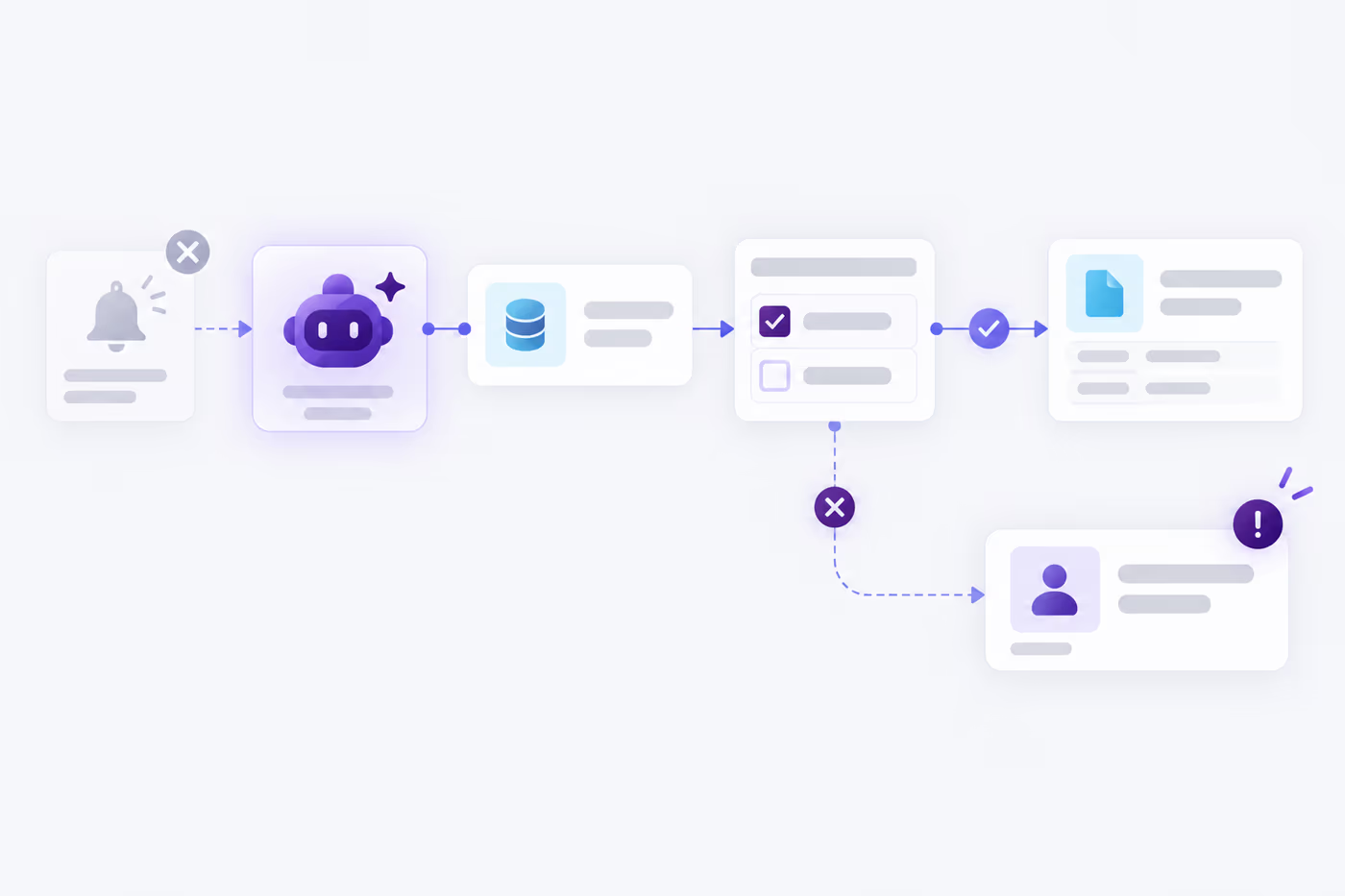
Handles the judgement calls in between
Plenty of work is too varied for a rigid flow but too routine to need a person every time. Agents sit in that gap — reading context, choosing the right action, and handling the cases that used to fall to whoever had a free minute.
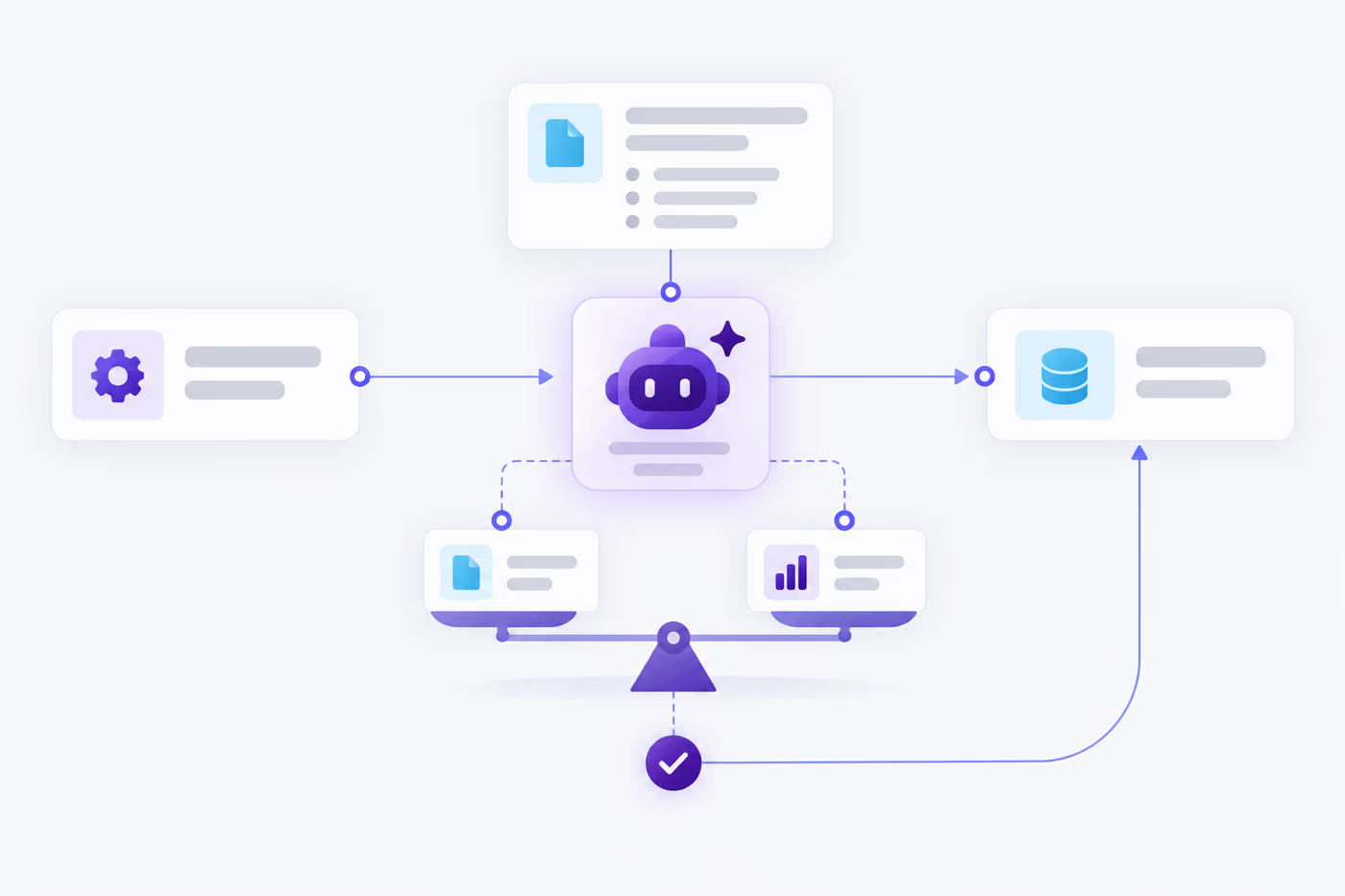
You set the guardrails
Autonomy without limits is a liability, and we treat it that way. Every agent we build operates inside explicit boundaries — what it can do, what it must escalate, what it must never touch — with a record of what it did and why.
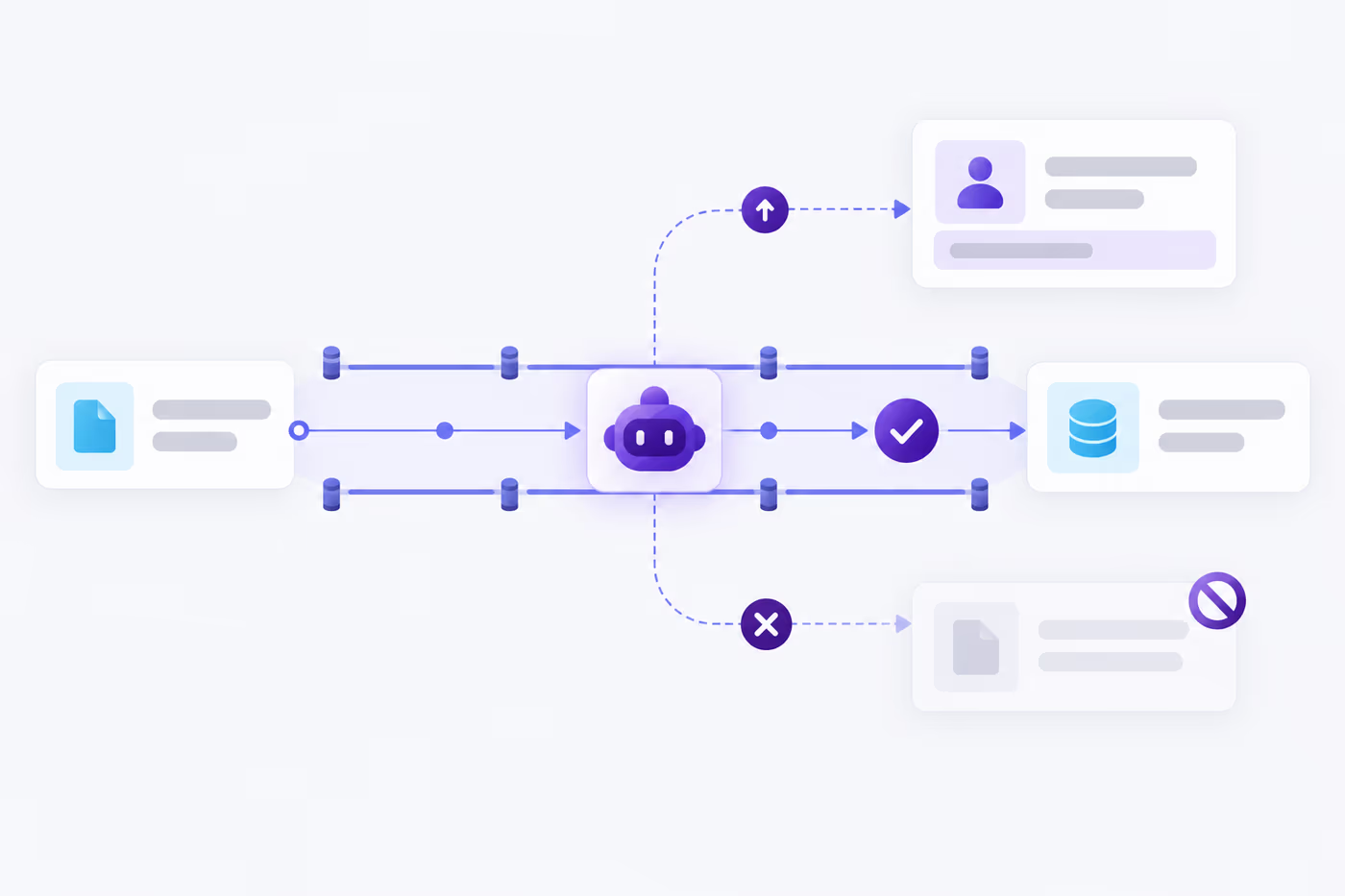
Built in from the outset
We design agentic capability into a solution from the start, so it fits the data, the security model, and the process from the ground up.
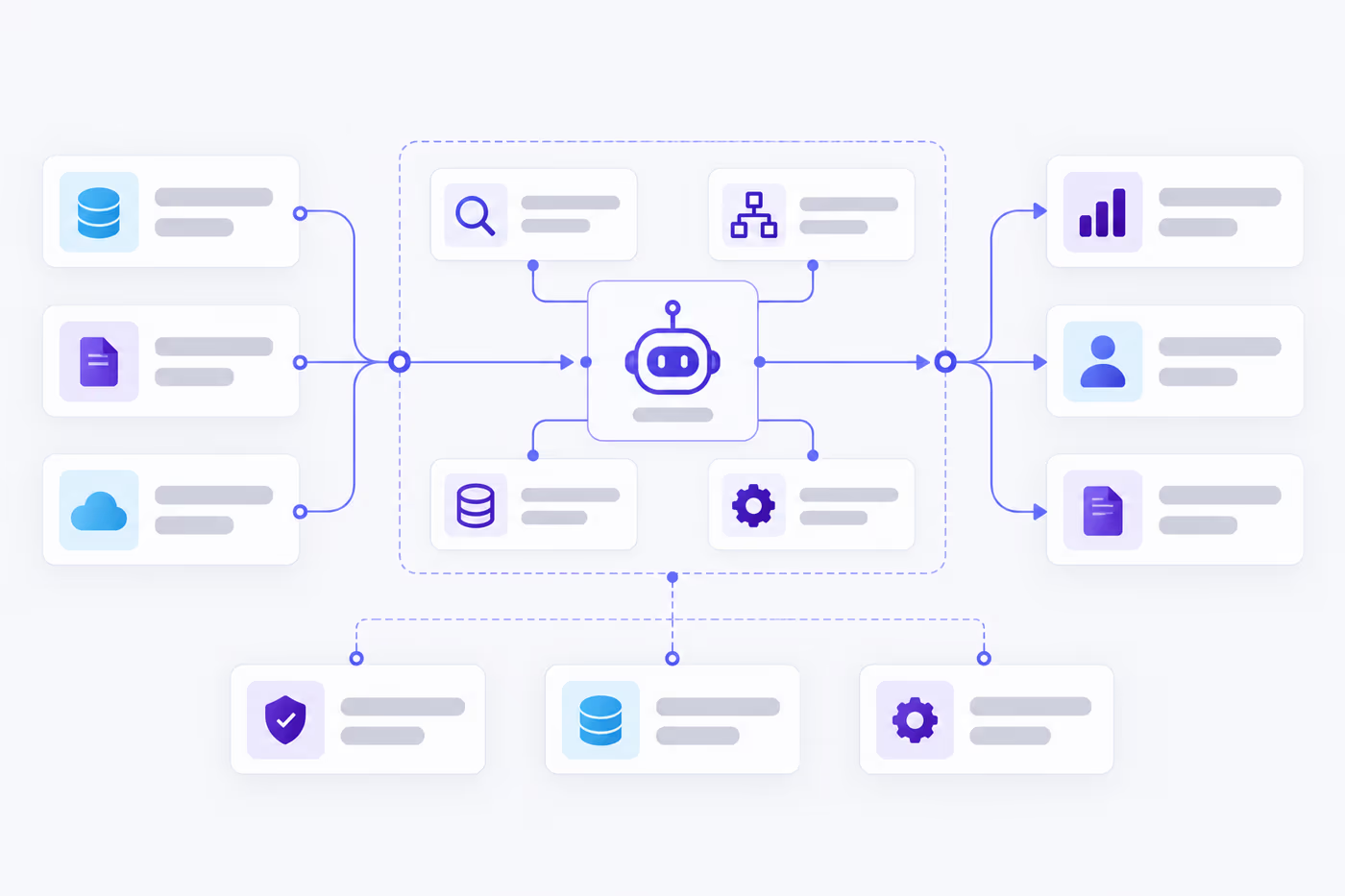
Where it fits
Agentic processes fit where work is repetitive enough to be a burden but varied enough that a fixed flow cannot handle it — triage, routing, first-line responses, routine decisions. Where a process is fully predictable, a simple automation is cheaper and clearer, and we will recommend that instead. Agents earn their place where judgement is involved.
Wondering if this is right for you?
Tell us what you're trying to do — we'll give you an honest view, fast.
Get my ballpark →